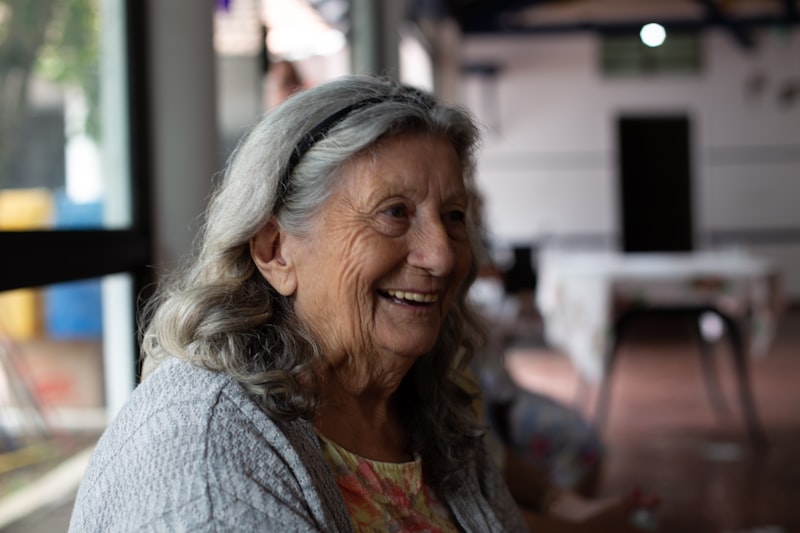
An older woman smiling
Inform yourself

Why are older individuals at higher risk?

Increased risk among the senior demographic can be attributed to physiological issues including diminished general health condition, increased likelihood of chronic illness, lower sweat production and weakened awareness of heat. Precautionary steps including hydrating sufficiently are less likely to be taken among older individuals due to these common health conditions.

Older individuals' ability to adapt to high temperatures is also degraded, exacerbating the likelihood of heat exhaustion. Furthermore, older individuals are less likely to have air conditioners, and if they do, they are reluctant to utilize them due to financial burdens and hesitancy of changing their habits.

How to help

Social support has been proven to reduce the risk of heat exhaustion in older individuals.

How caregivers can help

How caregivers can help

Notice signals of heat stress and intervene before it becomes severe.

Ensure that they turn on air conditioning or fans if they are available.

Ensure that they are staying hydrated.

Provide emotional reassurance to reduce anxiety.

Simply provide company to combat isolation.

Warning signs

If you notice that they have any behavioral signs of heat exhaustion, or they inform you that they feel symptoms of heat exhaustion, immediately contact emergency services (911). Behavioral signs include:

  • A weak voice
  • Hyperventilation
  • Slurred speech
Source

Source

Hansen, A., et al. (2011). Perceptions of heat-susceptibility in older persons: Barriers to adaptation. International Journal of Environmental Research and Public Health, 8(12), 4714–4728. https://doi.org/10.3390/ijerph8124714

Sign up

Sign up to be a buddy, or to receive a buddy.